

Digital accessibility is a crucial aspect of designing inclusive and user-friendly websites and applications. It ensures that digital content can be easily accessed and used by everyone, regardless of their abilities or limitations. In a world where our daily lives are increasingly taking place in the digital realm, it is essential to ensure that everyone has equal access to information, services, and products.
This article explains what digital accessibility means, what barriers users encounter online, and how to make the web more accessible to everyone. It also introduces and outlines the relevant standards (WCAG). Furthermore, it explains why investing early in accessible digital solutions is worthwhile from both an economic and legal perspective.
What is digital accessibility?
Digital accessibility means that websites, apps, and various other forms of digital content are designed with consideration and inclusivity in mind, making them accessible and usable by everyone, with or without disabilities. In a digitalized world, we use online services every day. From online shopping to digital banking, these services span a wide variety of areas of our daily lives. That’s why it’s only fair that we, as a society, strive to make the digital space as open and user-friendly as we possibly can. After all, we all benefit from the resulting user-friendliness and clarity on the web.
What barriers do users face in the digital space?
When we think about the barriers we may encounter online, we must also consider the limitations that many of us have to live with. These can be visual, auditory, or motor in nature, but various reading and learning disabilities can also make it more difficult to interact with digital content. But it’s not just people with special needs who are affected; older adults, occasional users, or users in unfavorable environmental conditions (strong backlighting, noisy surroundings, etc.) often have difficulty using modern technology as well. Here is a brief overview of typical barriers we encounter online.
Visual impairments:
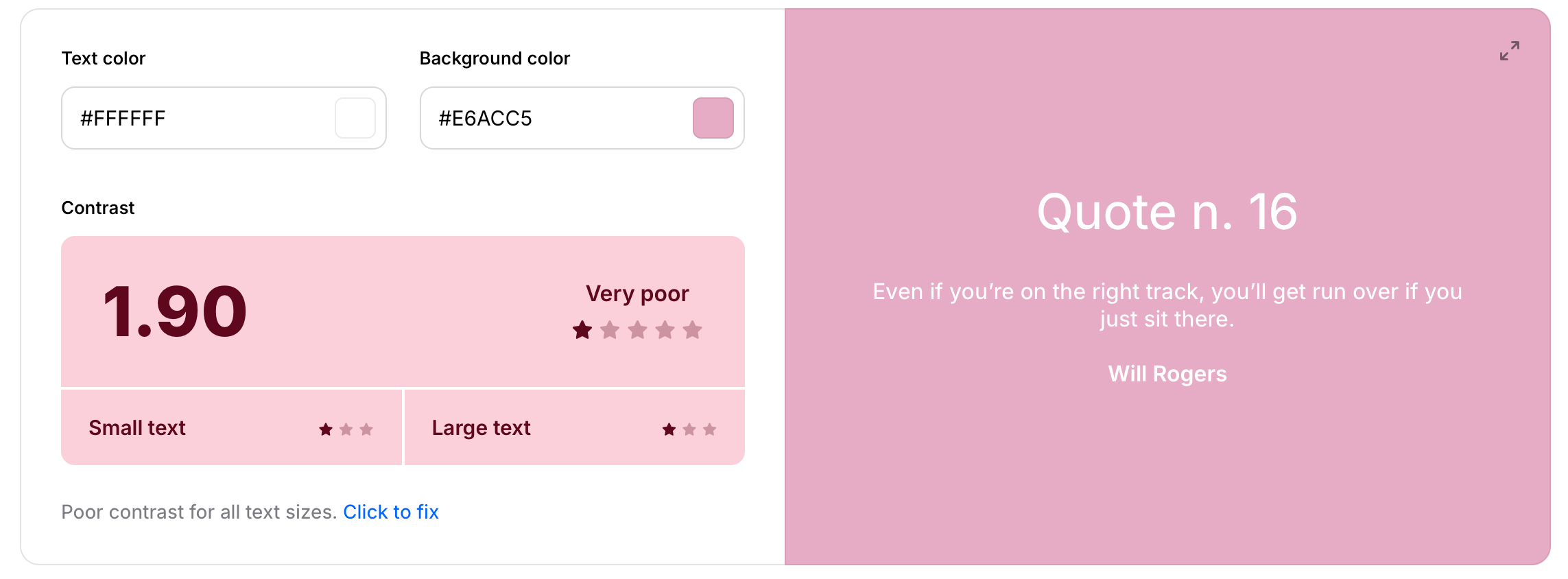
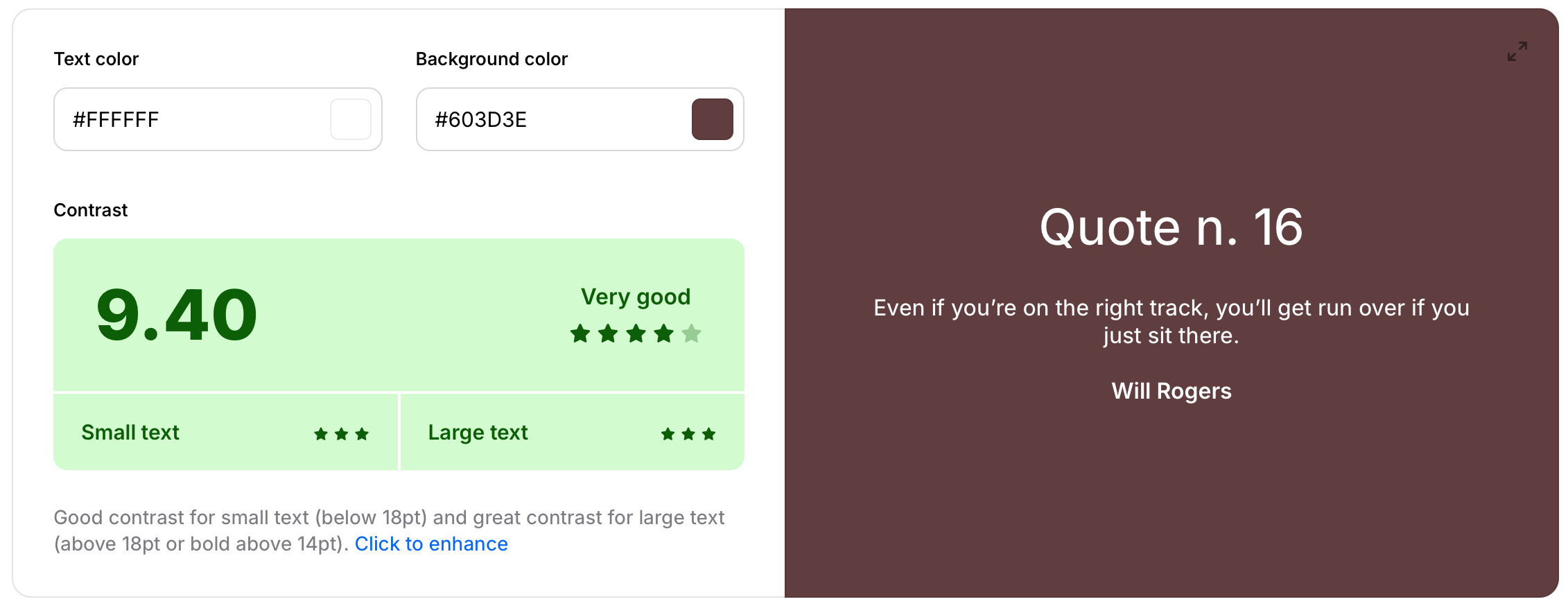
- Poor contrast between the background and the text can make it difficult to read
- The text may be too small, the line spacing too narrow, or the font generally too illegible to ensure comfortable readability.
- Images do not have alternative text that would allow screen readers or other assistive technologies to describe what is being displayed.
- Color blindness can make it impossible to identify certain elements on a website, which can hinder understanding of the content or navigation.
Hearing impairments:
- Audio or video content without a transcript or subtitles is difficult or impossible to follow.
- Phone support is not an option for people with hearing impairments
- Notifications that rely solely on audible alerts could easily be overlooked.

Cognitive Impairments & Learning Disabilities:
- Complex language, technical terms, and jargon can make it difficult to understand the content
- Confusing and inconsistent menu navigation—including nested structures—can cause users to have trouble navigating the content
- Moving, flashing, or automatically playing content can be very distracting and may impair concentration and usability.
Motor or physical limitations:
- Reliance on a single input method (e.g., the mouse) can limit usability. Care should be taken to ensure that navigation is also possible via the keyboard, voice control, or other assistive devices.
- Inputs that require a high degree of precision or skill. This can happen particularly quickly with moving elements or those that are too small
- Time limits—for example, when completing a purchase or entering a password—may not allow some users enough time.


Want to know how to make a website more accessible and available to everyone? Click here for the article Accessible Web Design: Your Practical Checklist
What guidelines and standards define digital accessibility?
The current gold standard for accessibility is the Web Content Accessibility Guidelines (WCAG). These are developed and maintained by the World Wide Web Consortium (W3C). The guidelines consist of a set of recommendations and requirements for how digital content should be designed to support people with disabilities. The most recent version (as of October 2025) is WCAG 2.1. They serve as a globally recognized foundation for national and international standards on digital accessibility.
The WCAG are based on four fundamental principles
- Perceptibility: Content must be presented in a way that allows all users to perceive it. This means that information must be made accessible through various senses. For example, images should include alternative text, and videos should have captions so that they can be understood both visually and aurally.
- Usability: Users must be able to interact with digital content and applications. This means that websites and apps must be accessible even without a mouse—that is, they must be operable using a keyboard or other assistive technologies.
- Accessibility: Content must be understandable to all users, including those with cognitive or learning disabilities. Clear language, well-structured content, and easy-to-understand navigation are essential.
- Robustness: The content must be compatible with current and future technologies. This means that web technologies such as HTML must be used correctly to ensure that the content remains accessible across various devices, software, and assistive technologies, such as screen readers.
Apart from that, a distinction is made between various levels of compliance that indicate the degree of accessibility of an online service.
- Level A: This is the lowest level, covering the most essential requirements that must be met to ensure basic accessibility.
- Level AA: This is the recommended level for accessibility and ensures that most users with disabilities can access the website.
- Level AAA: This highest level is particularly demanding and takes additional needs into account; however, the criteria are not always practical or feasible for all content.
You can find more details on this in our article ” What Is the European Accessibility Act?”
Why is it worth investing in digital accessibility?
Digital accessibility is not only a social issue but also a significant competitive advantage for businesses. By adhering to accessibility standards, companies can reach a broader customer base, including people with disabilities who rely on accessible digital services.
An accessible approach also improves the user experience and increases satisfaction. Better readability, more intuitive navigation, and a generally more user-friendly design ensure a positive user experience. At the same time, implementing accessible solutions requires a clean structure, which often goes hand in hand with a modern and technologically advanced approach. This, of course, also has a positive impact on SEO and your brand’s visibility!

An inclusive and accessible approach can also strengthen brand loyalty. Companies that prioritize digital accessibility convey values such as responsibility, inclusion, and innovation—all of which can have a positive impact on brand identity.
And let’s not forget the legal requirements: Starting June 28, 2025, the Accessibility Act will introduce new standards for products and services, particularly in areas such as online stores, self-service terminals, and mobile devices. Those who invest in accessibility now will avoid future compliance costs, stay stress-free, and stay one step ahead of legal requirements.
Digital accessibility is therefore not just a matter of fairness, but also a strategic decision that strengthens companies in the long term and in a sustainable way!
More articles
Read more about User Experience, Innovation, Trends, Online Marketing Co.

Digital Product Development: 5 Common Mistakes and How to Avoid Them

Branding in the Age of Agent-Based Commerce

Employer Branding for the City of Düsseldorf